
My Journey With Early Menopause and Things You Should Know
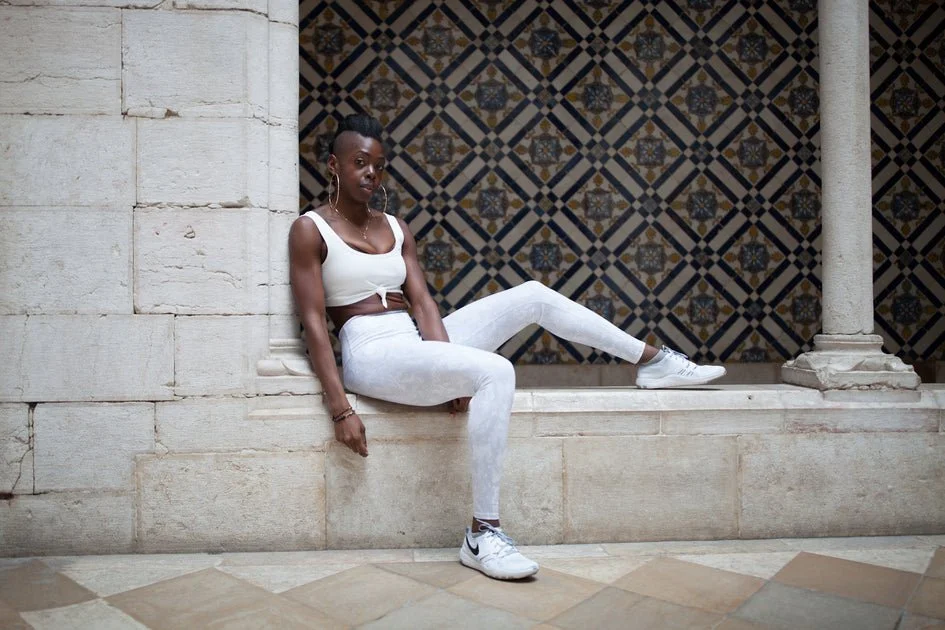
At the age of 36 I was diagnosed with early menopause, which hit me like a ton of bricks. It's not something anyone around me or in my immediate family has ever gone through, from what I knew. I had so many questions, like "why was it happening to me?", "what did I do to bring this on?" and "what happens next?".
This came right at a time when I was having the children conversation with my then partner, and so it really took a toll on me mentally and emotionally. I felt like I was no longer the woman that I'm supposed to be. Seeing everyone around me having children, and for my journey to be cut short, left me heartbroken regularly. But also, my body was no longer under my control, it seemed. My change in hormones meant my body was not functioning like it used to. All of a sudden it was harder to lose weight and very easy to gain, my cholesterol was creeping up, I was tired, and the hot flashes and night sweats were out of control!
Speaking with my own endocrinologists and gynecologists, I didn't really get an answer to any of my questions other than: it's rare…but it happens. So, I took it upon myself to research but also document my journey and provide some tips to hopefully help others understand the signs and how to manage.
Ask your family
Maternal family history can be very helpful in detecting your own risk of early menopause. It is important to start these conversations early, especially if you have the opportunity to ask your mother when she experienced menopause.
As we are having children later, remember many of our mothers had their children in their twenties. Due to that, menopause wasn't as much of a hindrance in creating their full family, so they aren't going to think to have that conversation with us. We need to bring it up to them.
This matters even more for Black and Latina women. Researchers at the University of Michigan found that once you account for the women early studies left out, Black and Hispanic women reach menopause about 1.2 years earlier than white women on average. The average age of menopause in the U.S. is 51. As I began to share my story, I've heard about it more and more from people in my circle. That makes it even more crucial to speak to your family about their history.
Track your period
The randomness of my period was what propelled me to start asking questions. The change in heaviness, change in timing, and the duration were all key signs for me that something was wrong.
There are apps out there like Period Tracker that make it easy to track your period and also predict your period and ovulation timing.
Have a supportive medical team
When I started to have these questions about my period, I took them straight to my OB-GYN. She told me that while she wasn't concerned, she would run tests because of how concerned I was. She took the time to listen to me, and from that test we learned about my low estrogen levels and high FSH (follicle-stimulating hormone) levels, which are usually a sign of ovarian failure. We further confirmed this with endocrinologists.
Have a supportive circle
My OB-GYN asked me if I had a support system once I got the news, because she knew that would be something I needed. It wasn't that I didn't have one, but I wasn't yet ready to share this news with anyone. I was embarrassed and I felt as though I was the only one experiencing this journey. It also was definitely a nail in the coffin for my relationship at the time. All I wanted to do was sit alone, away from everyone, away from pregnancy news, away from all my friends with children. I just needed to not deal with it.
Months later I realized that was no way to go through life, and so I started with a therapist on BetterHelp. Someone who is paid to listen to my problems so I'm not a burden on my friends. Speaking with her helped me understand my worth, my voice, and ways for me to integrate myself back into society without breaking down.
There are also social media groups like Black Women and Infertility and Sisters In Loss to show that you're not alone, and that there are many who understand, have been through, and are still going through the journey.
Know having a child is still an option, though it may look different than others
Before going into the alternatives, know that your ass can still get pregnant. After over two years of no period, randomly, here I was scrambling for a rogue tampon that may have rolled under the couch somewhere. It's apparently common to have a random period with early menopause, and because of this you can still get pregnant naturally. You won't be able to know when that sleeping egg wakes up, but it could and has happened.
In terms of alternatives, I visited fertility clinics in NY to get all the options. You can look into donor eggs, but you can also look into experimental treatments like ovarian rejuvenation, which was something I experimented with. Then there is also adoption as an option, with so many young ones looking for a home.
There are options to help you through the symptoms
The symptoms are real. You have the hot flashes 8–10 times a day and the inability to sleep from the night sweats. You have weight gain from your body holding on to fat in order to keep as much estrogen as possible. But you also have an increased risk of cardiovascular heart disease, especially if you have gone through early menopause.
In order to fend off some of these symptoms, there is birth control or other forms of hormone therapy. Exercise will become more important, particularly strength training, to keep bone density, help reduce bad cholesterol, and increase metabolism. There's also looking at your nutrition and seeing what works best for you at this stage. I'm currently working with my registered dietitian to see how I can keep myself living a long, healthy life.
Early menopause is not an easy diagnosis to take, especially if you're looking to become pregnant. If you have a history of it in your family, speak with your gynecologist about how to prepare for it and manage it.
Have you gone through early menopause? Share your journey or tips in the comments below.
What I know now, as a trainer: strength training matters even more after early menopause
When I wrote this, I mentioned strength training almost in passing. Now, having coached so many women through perimenopause and menopause at The Fit In, it's the first thing I'd tell my 36-year-old self.
Estrogen protects your bones and your heart. When menopause arrives early, your body goes without that protection for more years. Yale Medicine notes that women who reach menopause before 45 face higher risks of osteoporosis, heart disease, stroke and dementia. This is why many doctors recommend hormone therapy for early and premature menopause unless there's a reason not to, often until around age 51, the typical age of menopause. That's a conversation for you and your doctor.
What you can control in the gym is muscle and bone. Here's what I focus on with members navigating early menopause and perimenopause:
Lift with purpose, two to three times a week. Bone responds to load. In the LIFTMOR trial, postmenopausal women with low bone mass who did supervised, progressively heavy strength training twice a week gained spine bone density, while a gentle-exercise group lost it. Read how one member did exactly that in Improving Muscular Strength and Endurance Slows Bone Density Loss.
Build and keep lean muscle. Muscle supports your metabolism, blood sugar and everyday strength. Our InBody scan shows your lean mass over time, which is a far better measure than the scale.
Train your balance and core. Pilates and mobility work build the posture and stability that protect you from falls.
Fuel it. Protein and calcium matter more now. Working with a registered dietitian made a real difference for me.
Newly diagnosed, or noticing the signs? Start with a private assessment. We'll build a strength plan around where your body is right now, at our studios in Bed-Stuy, Crown Heights and East New York, or virtually.
Book a private session → · See strength classes →
FAQ
What age is considered early menopause? Early menopause happens between ages 40 and 45. Premature menopause happens before 40. Yale Medicine estimates about 5% of women go through early menopause and about 1% go through premature menopause.
Do Black women go through menopause earlier? Research from the University of Michigan found Black and Hispanic women reach menopause about 1.2 years earlier than white women on average, a gap that earlier studies missed because of who they excluded.
Can exercise help with early menopause? Exercise won't reverse menopause, but strength training helps protect bone density and muscle, which are both at greater risk when estrogen drops early. Talk to your doctor about what's right for you, including whether hormone therapy makes sense.
This article shares my personal experience and general education. It isn't medical advice. Talk to your doctor about your symptoms and treatment options.
Sources
Yale Medicine, 4 Things to Know About Early and Premature Menopause
University of Michigan News, Exclusion of Black, Hispanic women from health studies masked racial disparities on menopausal aging (Reeves A, et al., International Journal of Epidemiology)
Watson SL, et al. The LIFTMOR Randomized Controlled Trial. Journal of Bone and Mineral Research, 2018. PubMed